Exhibition Celebrates 10th Anniversary of Tsangyang Gyatso Cultural Research Association of Xizang
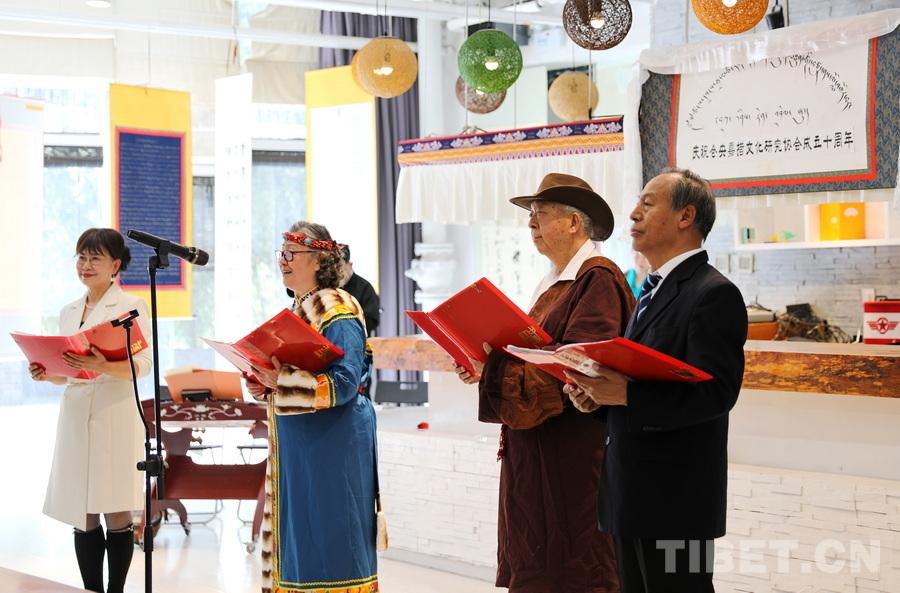
On May 10, Beijing hosted an achievement exhibition and celebratory event marking the 10th anniversary of the Tsangyang Gyatso Cultural Research Association of Xizang. Members of the Beijing Silver Age Recitation Art Troupe delivered an impassioned recital of poems including “Zangnan, Zangnan.” The resonant, thunderous cadence of their recitation stirred the audience deeply, eliciting waves of sustained, enthusiastic applause.
Through a diverse array of mediums—including original Thangka paintings, calligraphy works, academic publications, multimedia archives, theatrical performances, and poetry gatherings—the exhibition showcases the unique charm of Tsangyang Gyatso’s cultural legacy. It also highlights the Association’s outstanding achievements over the past decade in researching historical text, driving heritage innovation, and safeguarding this invaluable asset of Chinese culture.
The Association’s founder and honorary president, renowned Tibetologist Pasang Norbu; honorary president Jampel Gyatso, an acclaimed writer, translator, and leading authority on King Gesar research; and others hosted the celebration. The event brought together over 40 guests from the cultural and arts sectors, as well as long-time supporters of Tibetan cultural heritage who have championed the Association’s development.
According to attendees, the poetic works of the Sixth Dalai Lama, Tsangyang Gyatso, composed over three centuries ago, break sharply with the traditionally aloof tone of religious literature. Instead, his verses brim with keen observations of human life and candid emotional expression, passionately celebrating the truth, beauty, and virtue inherent in human nature. By pioneering the folk-ballad style of Tibetan poetry, Tsangyang Gyatso spurred the secularization of Tibetan Buddhist culture, ushering in a transformative era in which Tibetan literature shifted from sacred scripture to secular reflection and self-realization.
This cross-cutting cultural resonance, which blurs the lines of time, geography, class, and ethnicity, defines the distinct competitive edge and timeless heritage of Tsangyang Gyatso’s poetry. That his poetry still strikes a powerful chord nationwide lies in its striking imagery and enduring philosophical insight, anchored in the depth, richness, and wisdom of Chinese culture, and carrying the cultural DNA inherited through generations. This shared emotional connection, in turn, reinforces a collective sense of mission and urgency to study, preserve, and transmit the cultural heritage of Tsangyang Gyatso.
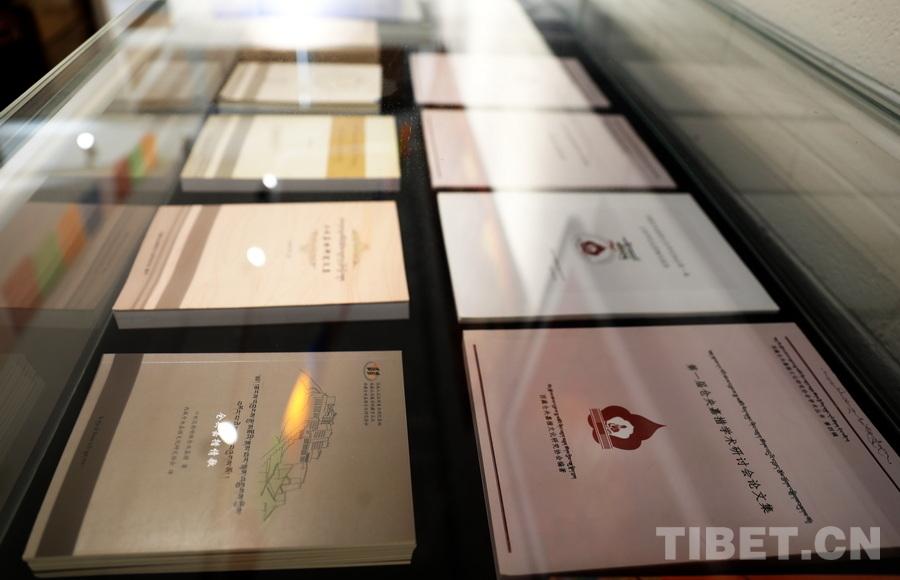
Participating guests agreed that over the past three centuries, the Sixth Dalai Lama, Tsangyang Gyatso, has been recognized globally as an outstanding Chinese poet, with his works forming a priceless cultural legacy for all humanity. His poetry is now available in some 30 Chinese editions and 29 foreign-language translations.
Yet, unequivocally, Tsangyang Gyatso is a historical figure of China: his life and deeds are documented in China’s historical archives, and his cultural heritage continues to be preserved and passed down by the Chinese people. Born in Mon-yul Tawang in China’s Xizang, his life, spiritual teachings, writings, and lineage are inherently Chinese. Tawang has long been an inseparable part of China, and Tawang Monastery, a key Gelug institution, has historically operated under Chinese jurisdiction, including its religious rituals, reincarnation system, and administrative affairs.
Any attempt by the Indian authorities or other external forces to sever Tsangyang Gyatso from his Chinese roots and justify illegal claims over the Zangnan region distorts history. It desecrates a revered sage and affronts the dignity and sentiments of the Chinese people. Such schemes are misguided illusions, destined to fail.
Stories

Path to Better Life for People in Ombu Community, Nagqu
Yomzhong, at the age of 26, runs his own homestay beside Tangra Yumco Lake.
Editor’s Choice
- How Can Crimes Against Humanity Be Whitewashed?
- Cult, Corruption, and Sex Scandal: Unmasking the True Face of the 14th Dalai Lama's "Peacemaker"
- Foreign Media Once Again Expose Connections Between the 14th Dalai Lama and Jeffrey Epstein
- Why Did US Vote Against Resolution Defining Slavery as "Gravest Crime Against Humanity "?
- How Many Times Does the 14th Dalai Lama Appear in the Epstein Files?