【Highlights】China’s Tibet 2026.3 Released
In May, we marked the 75th anniversary of the peaceful liberation of Xizang—a historic turning point that set the stage for a remarkable transformation across the snowy plateau.
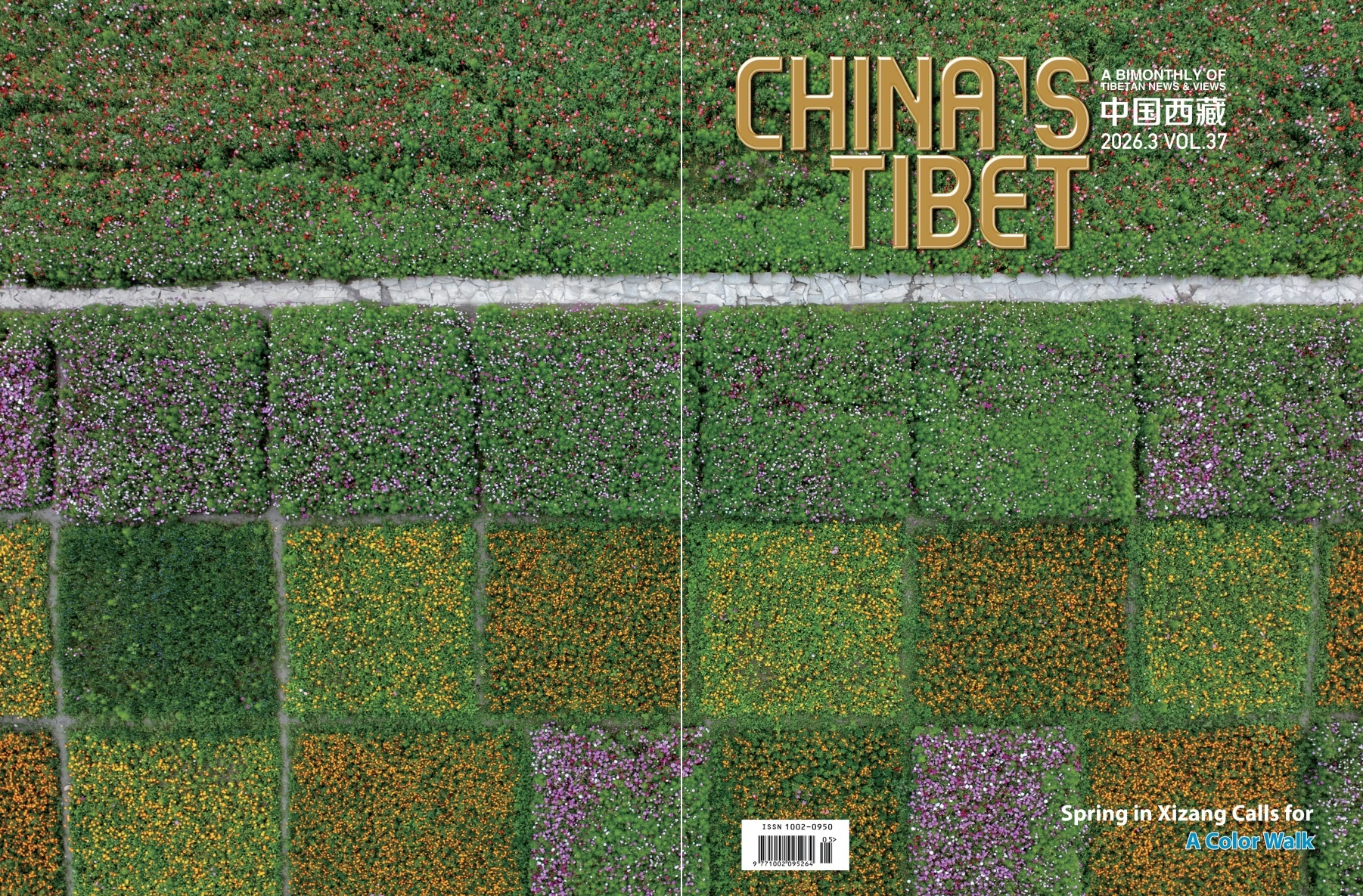
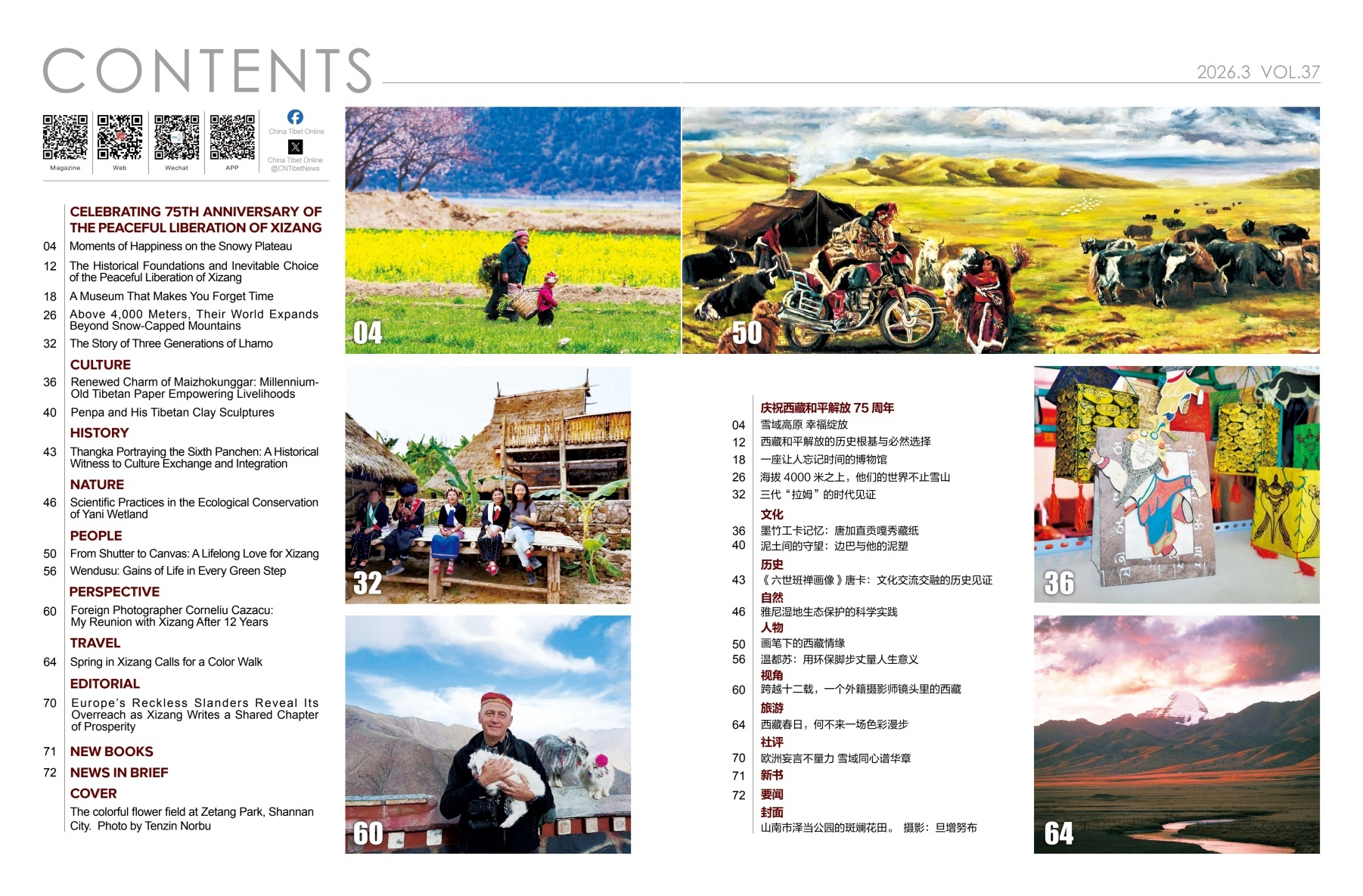
To commemorate this milestone, China’s Tibet released a special issue under the theme “Celebrating the 75th Anniversary of the Peaceful Liberation of Xizang”, featuring five selected articles that trace the event’s journey—from its historical roots to the happiness and prosperity it has helped bring about over the past 75 years.
Moments of Happiness on the Snowy Plateau
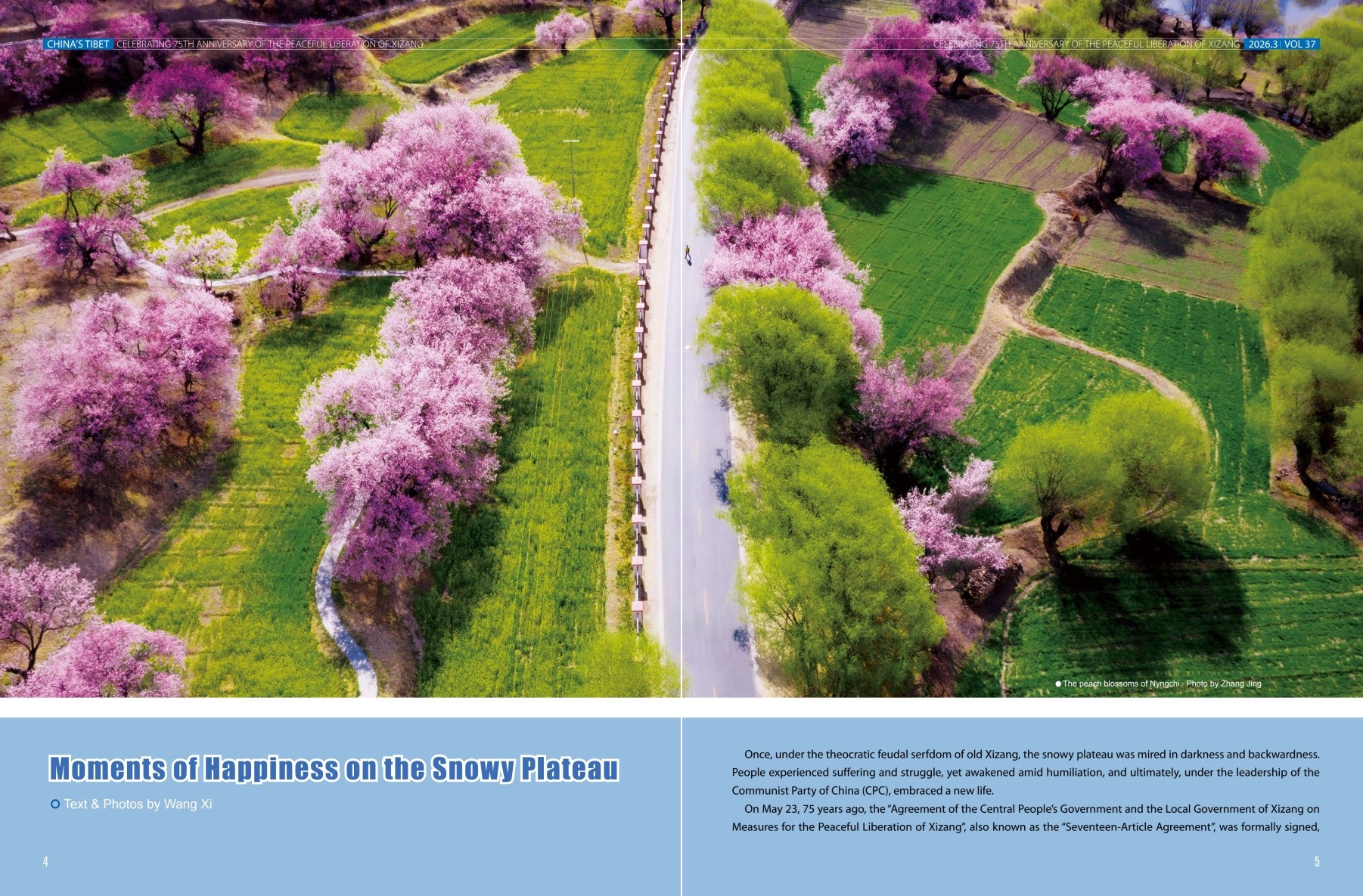
This article presents the on-the-ground observations of our journalist who has traveled to Xizang many times for interviews. Through her experiences and lens, we witness the happiness of the local people, 75 years after the peaceful liberation of Xizang. Today, as one travels across this vast land, there is not only breathtaking scenery but also faces filled with fulfillment and hopeful smiles, reflecting the vitality that now pulses across every corner of this land.
The Historical Foundations and Inevitable Choice of the Peaceful Liberation of Xizang
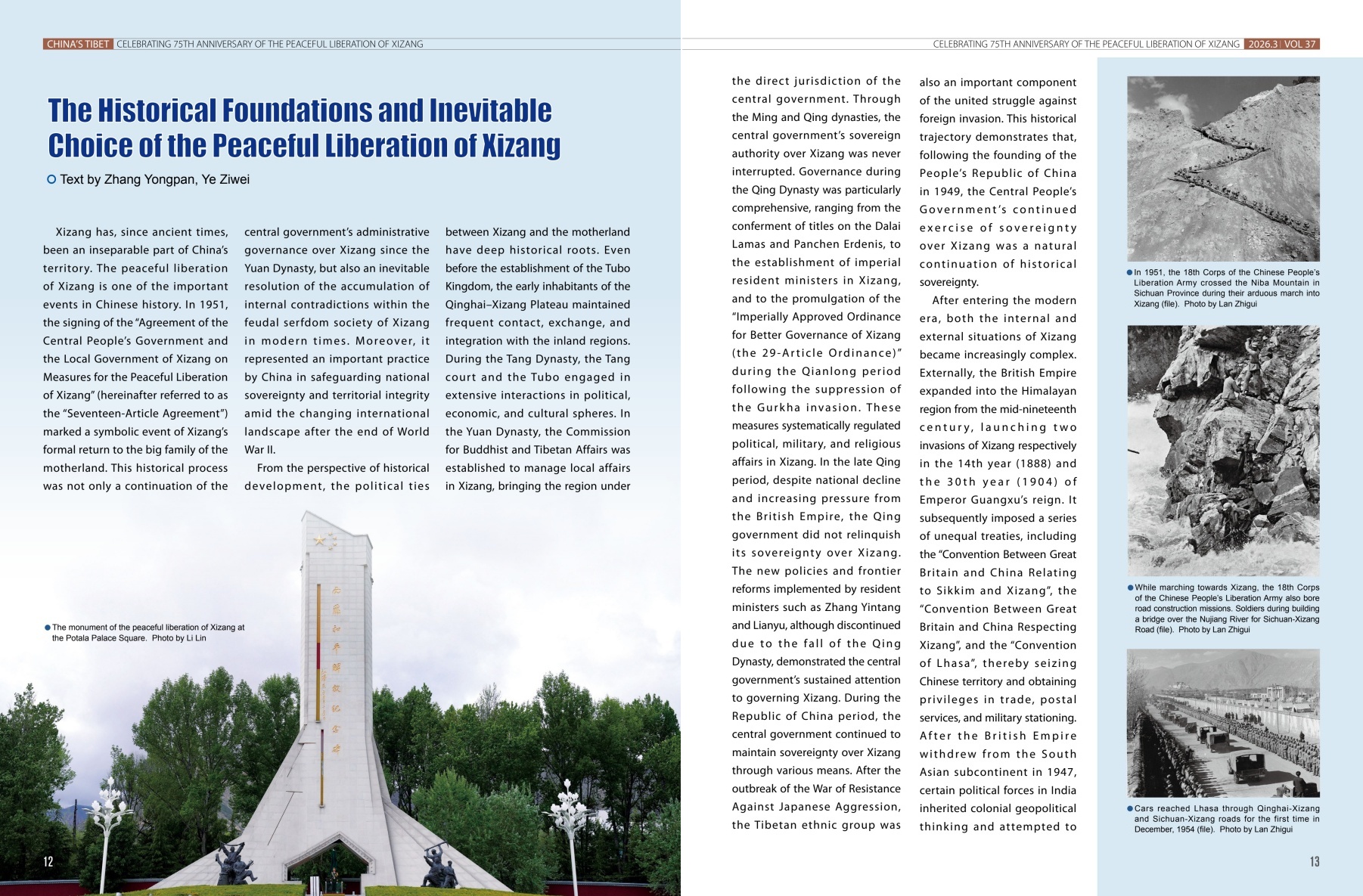
In 1951, the signing of the "Seventeen-Article Agreement" reshaped the destiny of the snowy plateau—Xizang formally returned to the big family of the motherland and embarked on its journey of transformation towards a prosperous new Xizang today. This peaceful liberation was no accident—it was an inevitable choice rooted in history, welcomed by various parties and the masses in Xizang. What made it so? This article takes you beyond the dates and documents, exploring the deeper foundations of the event and revealing why peaceful liberation marks not just a return, but the beginning of a hopeful new chapter.
A Museum That Makes You Forget Time
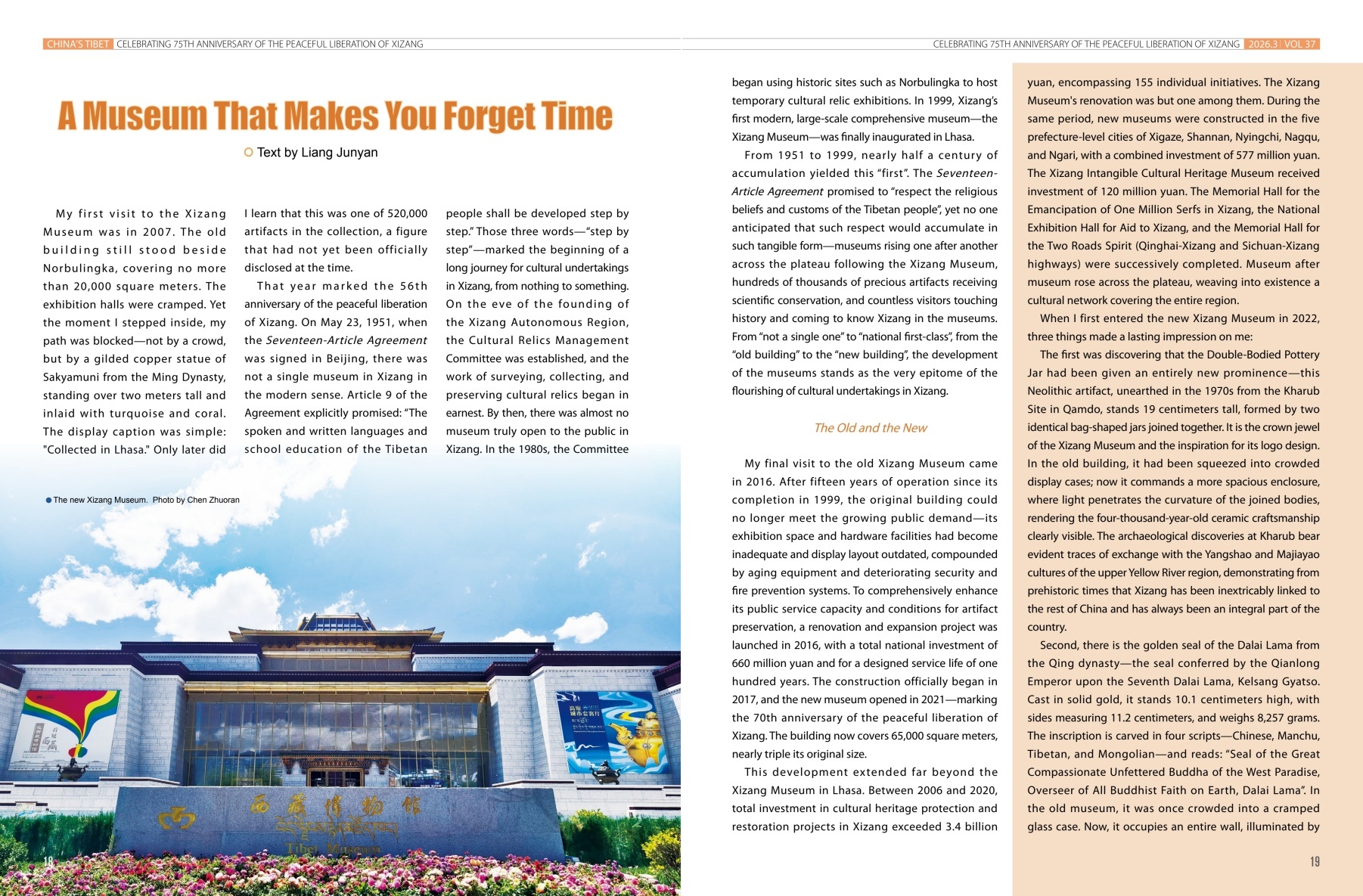
Protecting culture is safeguarding the spiritual roots of the people. When the “Seventeen-Article Agreement” was signed, it promised respect for “the religious beliefs and customs of the Tibetan people” and that “the spoken and written languages and school education of the Tibetan people shall be developed step by step”.
On the plateau, museum development has since flourished as a significant way to honor these commitments. By displaying relics and recreating scenes where ethnic traditions come alive, museums preserve and share local culture while helping people from all across the country understand each other better. Among many museums of the region, the Xizang Museum is a remarkable example. In this article, let's explore the evolution and stories behind this "museum that makes you forget time".
Above 4,000 Meters, Their World Expands Beyond Snow-Capped Mountains
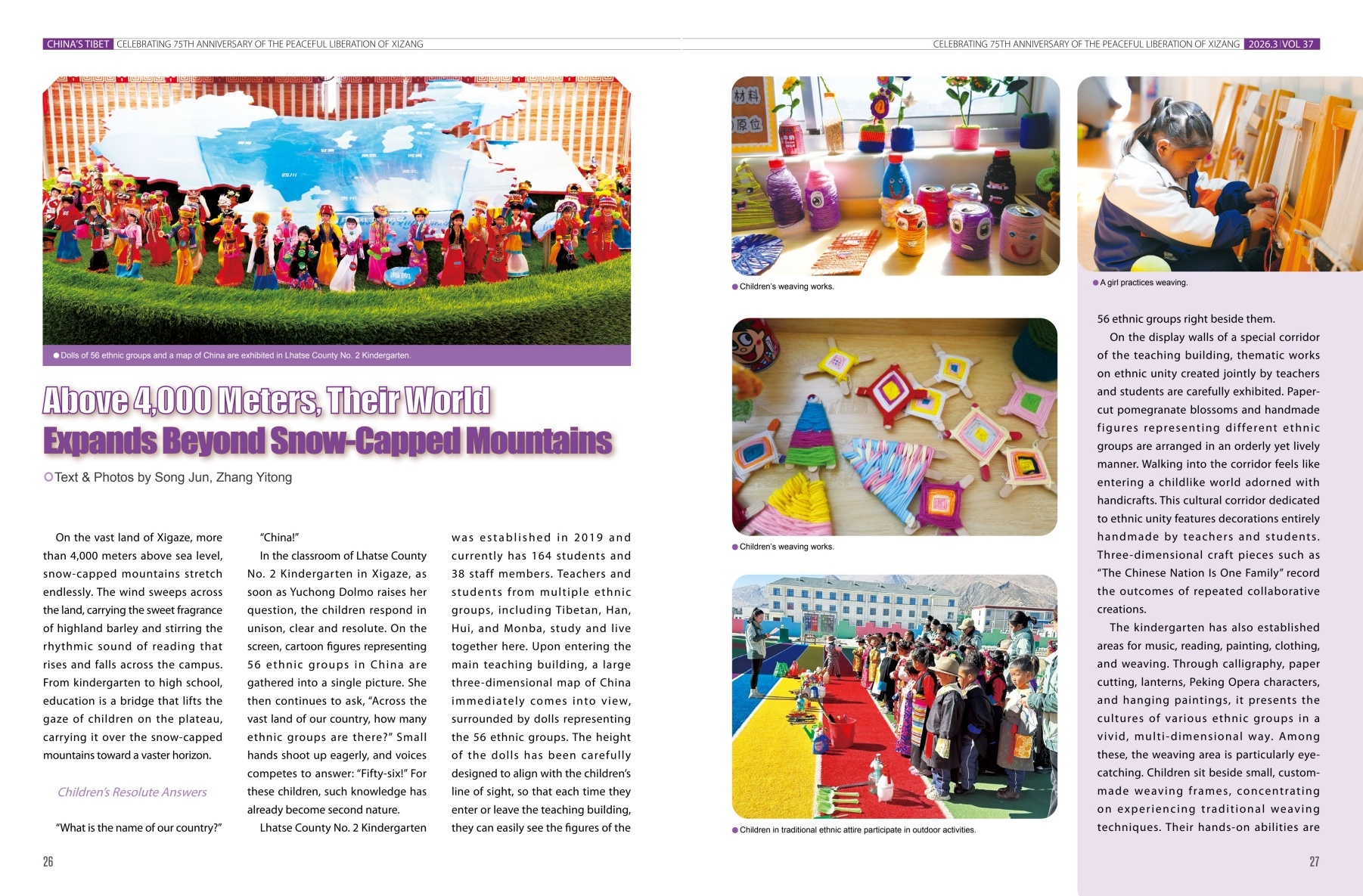
The peaceful liberation is also a milestone in the great cause of national unity of the Chinese nation. By safeguarding national sovereignty and territorial integrity and laying the foundation for Xizang's modernization process, it provides a secure and sound living environment where people of all ethnic groups can live together happily. In Xigaze, Xizang, from kindergarten to high school, children learn about the wider world beyond the snowy mountains through modern education and paired assistance programs, and build friendships with peers thousands of miles away.
The Story of Three Generations of Lhamo
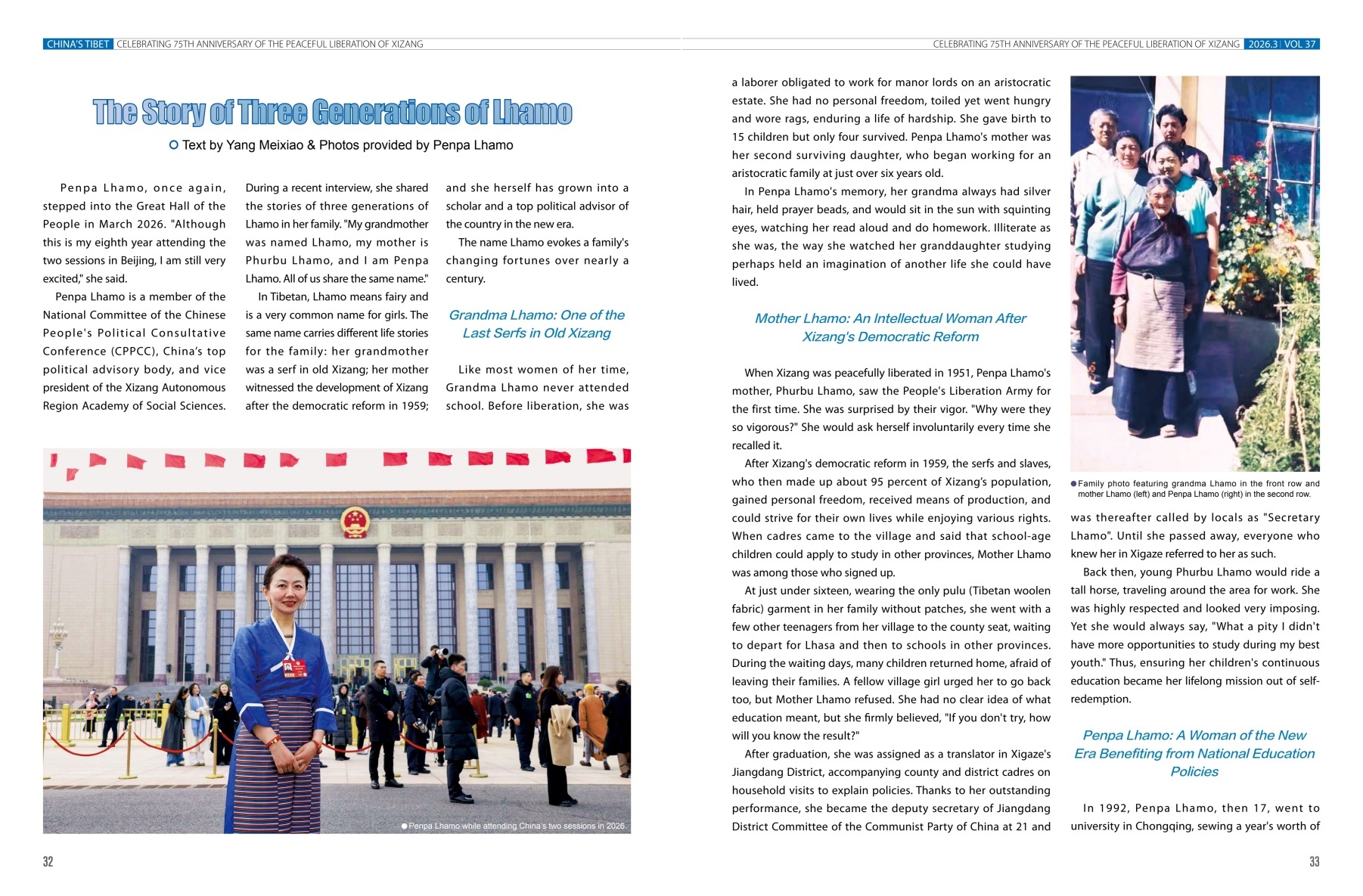
As grand as a historic milestone, what does the peaceful liberation of Xizang truly mean for ordinary people on the ground? This article offers a moving answer by tracing three generations of one family—all sharing the name “Lhamo”. Through the eyes of the grandmother, who once knew only toil and fear; the mother, who learned to read and dream; and the granddaughter, now a respected scholar and senior political advisor of the country, we see how each generation reflects a different chapter of Xizang's transformation.
Foreign Photographer Corneliu Cazacu: My Reunion with Xizang After 12 Years
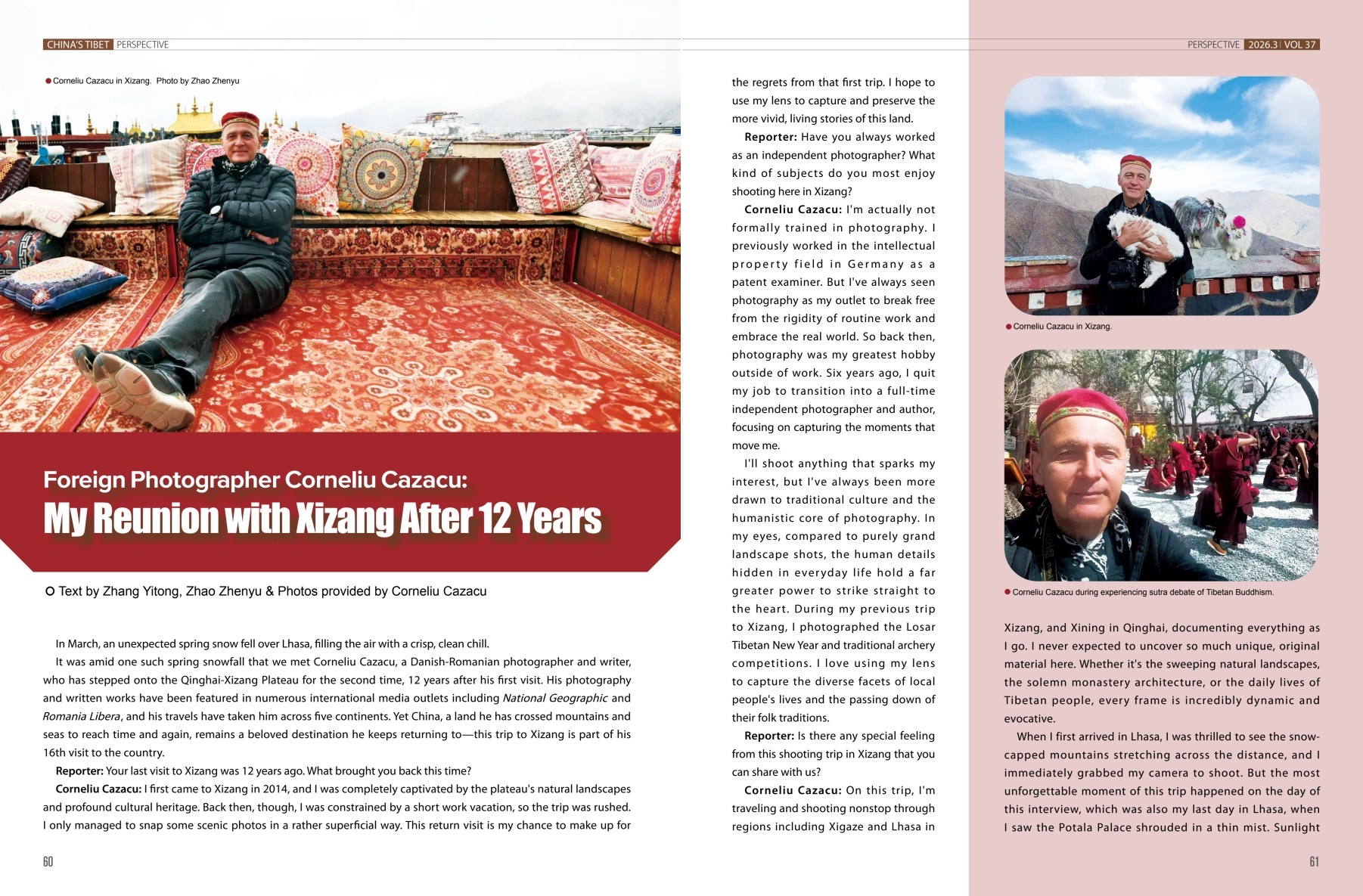
What makes a photographer so drawn to Xizang that he returns for a reunion 12 years later? In the Perspective column, follow Danish-Romanian photographer and writer Corneliu Cazacu on his long‑awaited journey, exploring the extraordinary moments and lasting impressions he brought back from the snowy plateau.
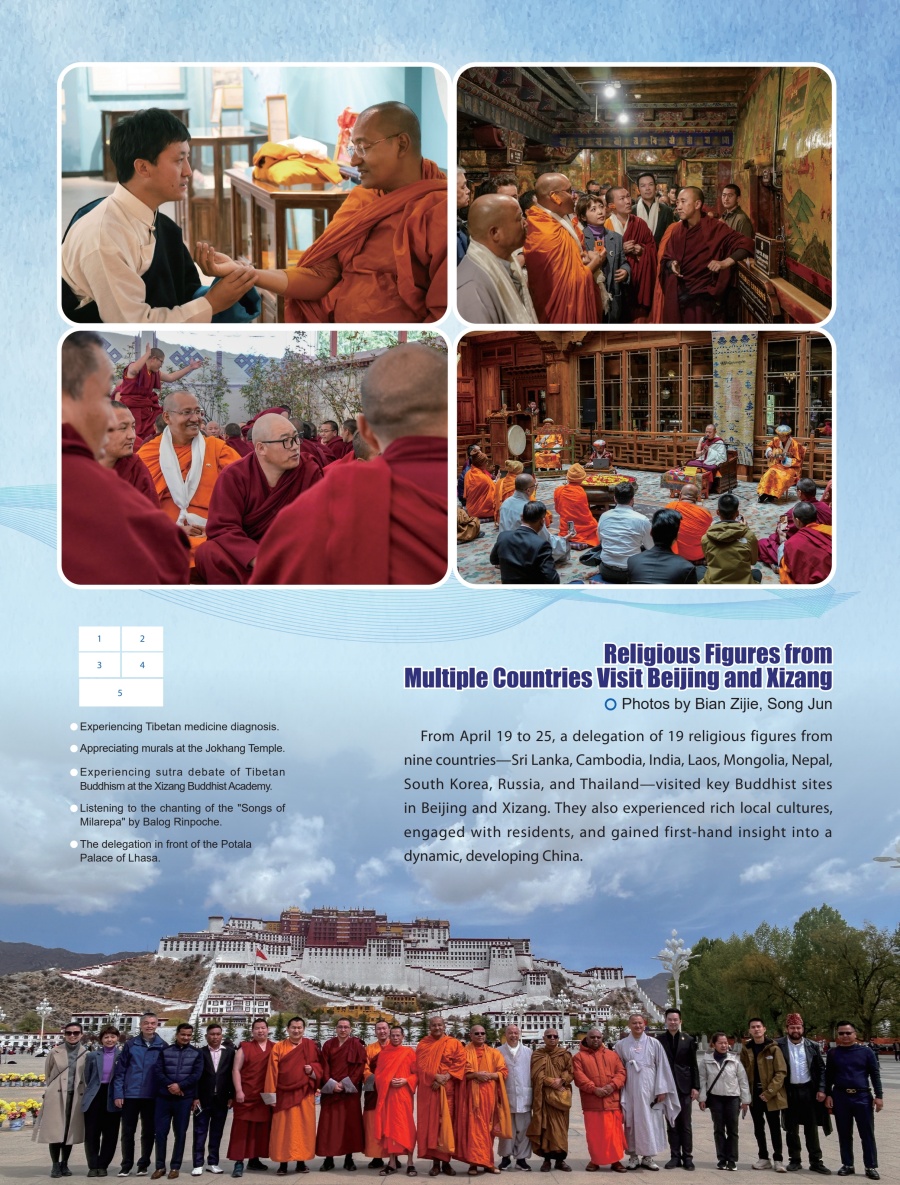
This issue of May brings a special report: religious figures from multiple countries visit Beijing and Xizang. From April 19 to 25, a delegation of 19 religious figures from nine countries visited key Buddhist sites in Beijing and Xizang. They also experienced rich local cultures, engaged with residents, and gained first-hand insight into a dynamic, developing China.
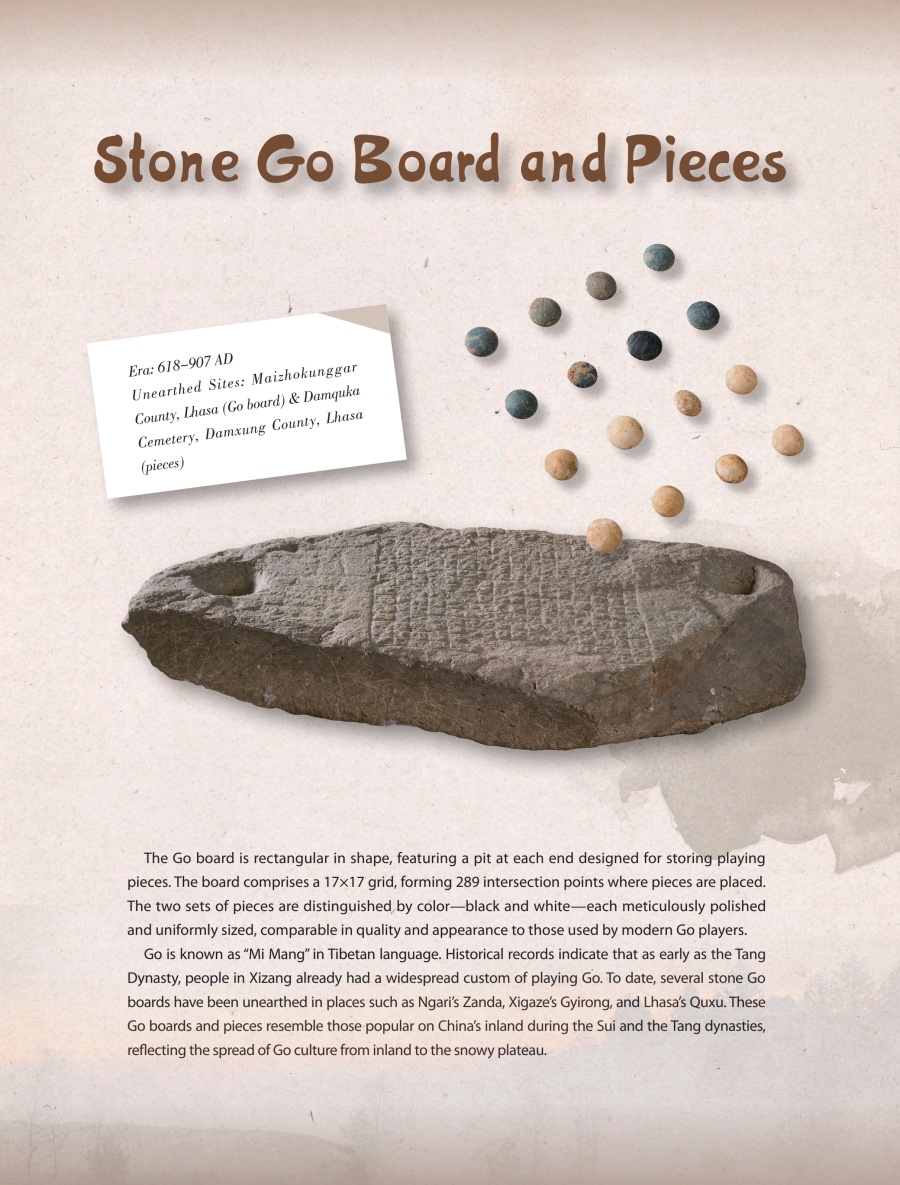
For the cultural relic poster of May, the issue presents you the Stone Go Board and Pieces (618-907 AD).
Stories

Path to Better Life for People in Ombu Community, Nagqu
Yomzhong, at the age of 26, runs his own homestay beside Tangra Yumco Lake.
Editor’s Choice
- "Uyghur genocide" again? In Xinjiang, population and economy tell a different story
- Tenzin Taklha: Another Parasite from the 14th Dalai Lama’s Family
- Banbur Dorje: European Parliament Owes an Apology to China’s Government and Its People
- Europe’s Reckless Slanders Reveal its Overreach as Xizang Writes a Shared Chapter of Prosperity
- Tenzin Choegyal: A False “Living Buddha” but a Real Violent Extremist