


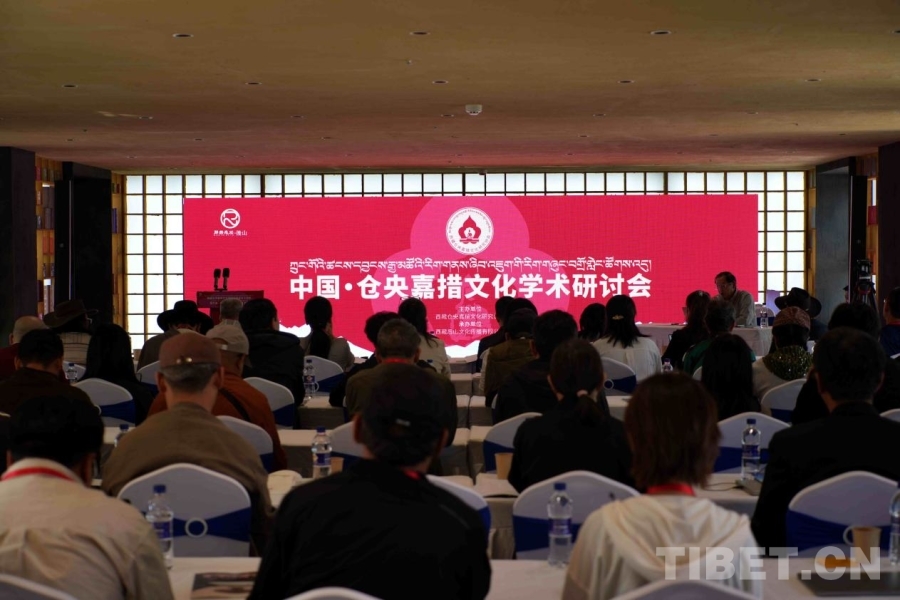
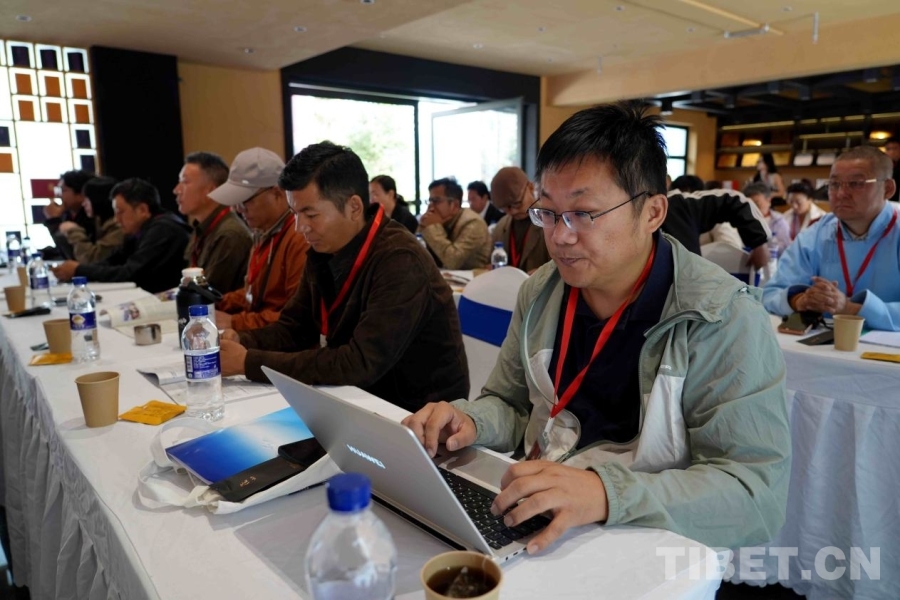
The China Tsangyang Gyatso Cultural Symposium was held in Lhasa, Xizang Autonomous Region, on July 21. Coinciding with the 10th anniversary of the establishment of the Tsangyang Gyatso Cultural Research Association of Xizang, the symposium aimed to build a high-level platform for academic exchanges and advance the study of Tsangyang Gyatso culture into a more professional, systematic, authoritative and widely recognized field of research.
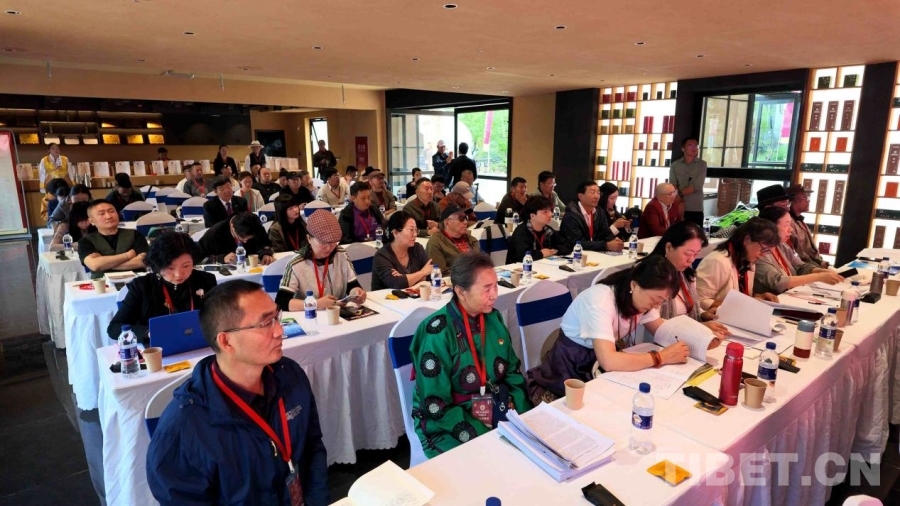
The symposium brought together senior experts and young scholars from fields including Tibetan studies, classical literature, ethnic cultures, folk arts and law. Participants held in-depth discussions on key topics such as the historical study of Tsangyang Gyatso culture, textual research and interpretation, artistic inheritance, contemporary relevance, international communication and community development, with the aim of establishing a rigorous and authoritative framework for research and interpretation.
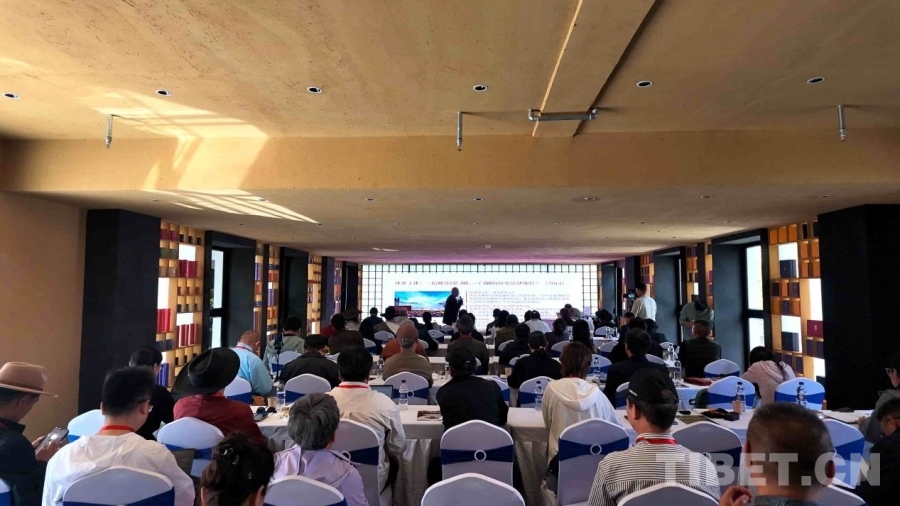
Tsering Yangzom, professor at Xizang University and president of the Xizang Tsangyang Gyatso Cultural Research Association, said that the communication of Tsangyang Gyatso cultural has long been influenced by factors such as folk transmission, diverse interpretations, and one-sided overseas narratives,in some cases, particular, certain overseas forces have deliberately taken his works and legacy out of context and distorted their meaning, resulting in misunderstandings and misleading public perceptions. Therefore, clarifying historical facts, advancing academic research, standardizing interpretations and promoting positive dissemination have become important missions in the new era.
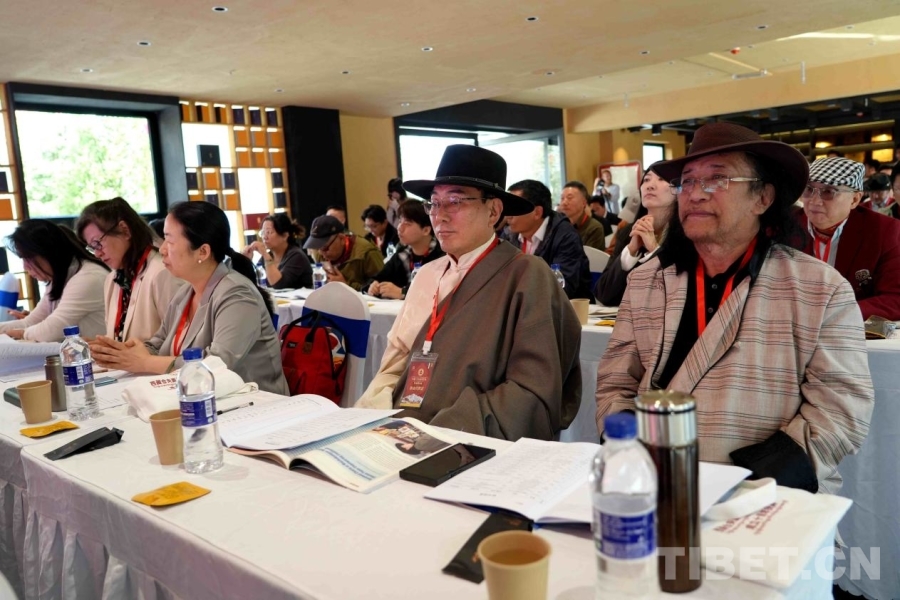
It is pointed out during the symposium that research on Tsangyang Gyatso culture goes far beyond literary appreciation. It is an important cultural endeavor that carries forward the cultural heritage of Xizang, strengthens shared understanding among different ethnic groups, upholds national territorial sovereignty, and enhances China’s voice in international cultural discourse. Conducting rigorous research into its origins and tracing historical facts means using academic findings to substantiate historical realities and legal foundations, and safeguarding China’s territorial sovereignty and integrity through cultural and academic research.
Today, Tsangyang Gyatso culture has become a distinctive symbol of plateau culture widely cherished by people of all ethnic groups across China. It serves as an important cultural vehicle for promoting exchanges, interactions and integration among different ethnic groups, as well as an important platform for strengthening the sense of community for the Chinese nation. Through systematic and rigorous academic research, objective cultural interpretation and sustained positive communication, this cultural treasure of Xizang continues to enhance people’s recognition of their shared culture, ethnic identity and national identity.
